



Efficient Systems / Revamping thermal plants
26 May 2021
Air conditioners: how to use them efficiently and reduce consumption
With the arrival of the fine and hot weather, we thought we would bring back some of our tips on the efficient and sustainable use of air conditioners, optimising the cooling of rooms, with an eye on keeping consumption down.
- Watch out for the energy class – The first tip for the ‘smart’ use of air conditioning starts with the choice of air conditioner: higher energy class models are preferable.
- Choose inverters – Units with inverter technology adapt the power to actual needs and reduce the on/off cycles, and are therefore preferable.
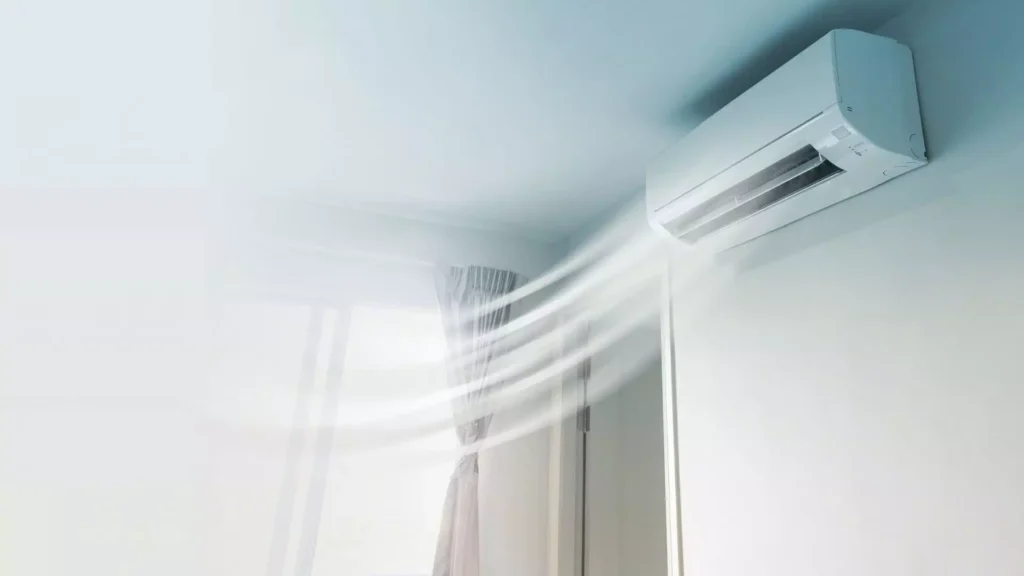
- Watch out for the position – It is important to place the air conditioner in the upper part of the wall: cold air tends to go down, and will mix more easily with warm air, which tends to rise. You should not place the air conditioner behind sofas or curtains: the barrier effect blocks the diffusion of fresh air.
- Do not cool the room too much – Two or three degrees less than the outside temperature is enough. Often only the ‘dehumidification’ function is sufficient, since it is the humidity in the air that makes the temperature feel much higher than it actually is.
- Each room requires its own air conditioning unit – Do not install a powerful air conditioner in the corridor hoping that it will cool the whole house. The only result will be catching a cold every time you pass along the corridor from one room to another, as it will be the only cooled area.
- Do not leave doors and windows open – It may seem obvious, but this prevents the air inside from heating up.
- Insulate the pipes of the cooling circuit outside the house – They may be damaged if exposed to direct sunlight. It is also a good idea to ensure that the outside of the air-conditioning unit is not directly exposed to sunlight and inclement weather.
- Use the timer and the night-time function – This minimises the time in which the unit is on.
- Cleaning and correct maintenance – Air filters and fans must be cleaned at the beginning of the season and at least every fortnight, with mould and bacteria harmful to health lurking inside. If they are deteriorated they need to be replaced. It is also important to ensure the gas circuit is leakproof.


