



Energy Management / Non categorizzato
19 October 2022
Energy bills: 20 tips from ENEA to consume less energy in stores and offices
ENEA has advice for stores and offices on how to cut energy consumption and save on bills, in line with the goals of the Ministry of Ecological Transition’s (MiTE) National Plan to curb gas consumption.
To let people know about possible measures, ENEA has created posters for offices and stores, which can be downloaded free of charge, showing tips on how to rationalise energy consumption and on potential average savings.
All energy-saving measures in detail
OFFICES
- Take the stairs rather than the lift
Use the stairs more than the lift Every time we do not use the lift we save about 0.05 kWh, which also helps to improve our health. - Use energy-saving light bulbs
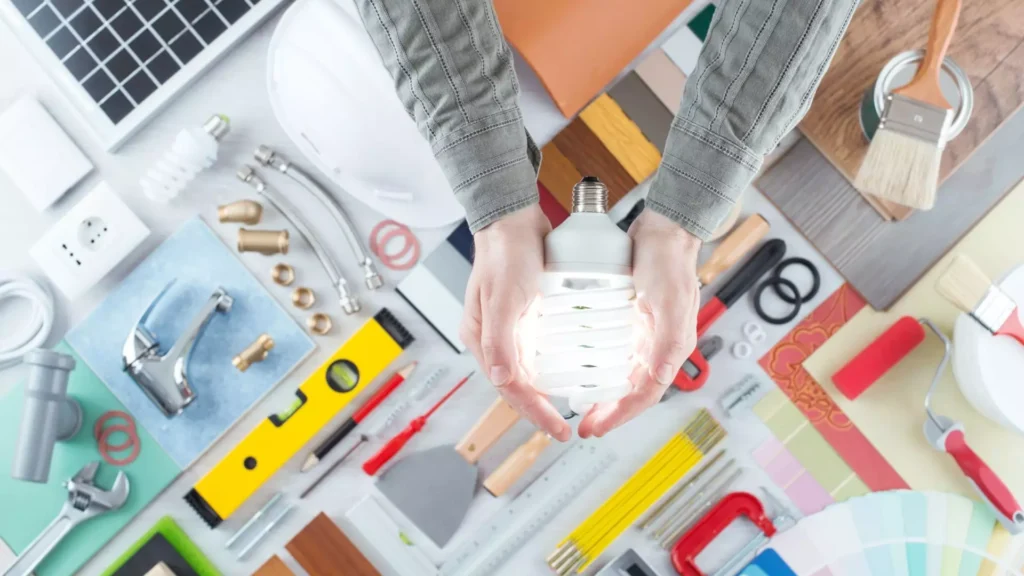
Energy consumption for lighting can be more than halved by installing energy-efficient LED devices with integrated presence detectors. - Install smart control systems
The spread of smart working requires more flexible energy management. The introduction of smart control systems maximises efficiency even when offices are partially occupied. The use of these systems based on presence detectors can lead to energy savings for heating of between 7% and 20%, and for cooling of between 2% and 4%. - Give priority to cloud solutions
For archiving projects and documents, it is best to do away with internal data centres and always-on networked computers. Cloud solutions help to increase data security and reduce the power consumption of devices. - Lower the temperature in winter
Set the temperature to around 18°C and turn off the heating an hour earlier. The temperature rises by 1-2°C after a person is 30 minutes in the room. This measure helps to reduce heating consumption by over 12%. - Raise the temperature in the summer
Switch off the air conditioner an hour before leaving the office, and consider using dehumidification mode. Set the temperature to around 28°C, at least one degree higher than you would usually set. Taking these steps you may save on average 22% of the energy needed for air cooling. - Close doors and windows
Keep doors and windows closed when the plant is switched on. Air condition only the room where you work, and avoid occupying unused meeting rooms and offices. If it is too cold in air-conditioned rooms in the summer, do not open the windows: ask the person responsible to raise the set temperature. And remember it only takes a few minutes throughout the day to have a change of air. - Activate energy-saving functions
Install energy-saving features on your PC, switch off unnecessary Wi-Fi devices and unplug devices that are not frequently used from the power socket. These simple habits make it possible to put the monitor to sleep and hibernate the PC when not in use. Use a power strip to group computers and peripherals. So when you leave the office, and at the weekends, you can turn everything off. - Optimise the use of printers
Print only what you really need, and switch off copiers and printers at the end of working hours and at weekends. Email, documents and articles can easily be read on electronic devices. Unplug the printer when not needed because it continues to consume power even when switched off. In this way you can reduce your energy consumption by about 24%. - Perform maintenance work regularly
Have the system checked, and always perform mandatory maintenance. This is the number one rule for safety and security, savings and protecting the environment. A system consumes and pollutes less when it is correctly maintained, with clean filters and no limescale build-up. Consider replacing old systems with more efficient technologies.
Stores
- Switch off the store sign at night
Switch it on when needed, this is a good energy-saving practice. Switching off the store sign at night can save 3,000 kWh per year and over 1 tonne of CO2. - Use energy-saving light bulbs
Lighting energy consumption can be reduced by 50% by installing energy-efficient LED devices with integrated presence detectors. - Install smart control systems
The introduction of intelligent control systems makes it possible to maximise efficiency even when shop premises are partially occupied. The use of these systems based on presence detectors can lead to energy savings for heating of between 7% and 20% and for cooling of between 2% and 4%. - Close doors
During public opening hours and with the heating or cooling systems switched on, keep the entrance doors closed. This will avoid heat loss and heat re-entry in the summer period - Check air curtain devices
In order to curb energy expenditure, air curtains must ensure that the width of the air curtain is not less than the width of the shop opening. The air flow must not be heated by an electric resistor, and must go down to the ground. - Lower the temperature in winter
Set the temperature to around 18°C and turn off the heating an hour earlier. The temperature rises by 1-2°C after a person is 30 minutes in the room. This measure helps to reduce heating consumption by over 12%. - Raise the temperature in the summer
Switch off the air conditioning an hour before closing, and consider using dehumidification mode. Set the temperature to around 28°C, at least one degree higher than you would usually set. These measureshelp to reduce air cooling consumption by an average 22%. - Unplug devices when the store is closed
Unplug devices and advertising units when the store is closed. Use a power strip to group computers and peripherals. In this way, when you leave the store everything is switched off. - Use sunscreens or films
Stopping the entry of sunlight during the summer in shop windows significantly reduces the consumption of the cooling system and also provides protection against the deterioration or discolouration of the goods on display. - Perform maintenance work regularly
Have the system checked, and always perform mandatory maintenance. This is the number one rule for safety, savings and protecting the environment. A system consumes and pollutes less when it is correctly maintained, with clean filters and no limescale build-up. Consider replacing old systems with more efficient technologies.


